
Why Spray Foam?
Spray polyurethane foam (SPF) is the ideal method for insulating commercial and residential buildings. Spray foam stops air and moisture intrusion, cuts energy bills,strengths the structure, and protects the internal air from mold, airborne pollutants, and allergens, thereby creating healthy buildings.
Spray Foam Insulation: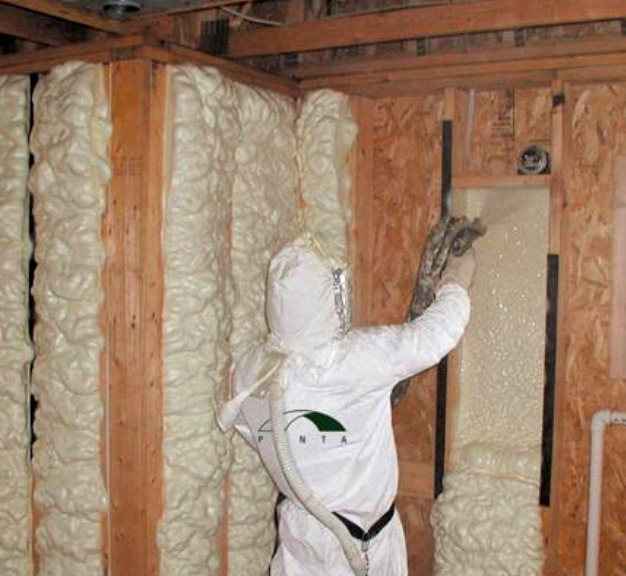
- Offer a High Insulation R-value
- Provides a Seamless Air Barrier
- Restricts Moisture Transmission
- Add Structural Strength
- Minimizes Sound Transmission
- Does Not Shrink or Settle
- Promotes Better Indoor Air Quality
The Structural Advantages Of Spray Foam
When it comes to protection against natural disaster, spray foam roof and wall systems have shown remarkable resistance to high wind uplift and blow-off: a characteristic attributed to spray foams strong adhesion, lack of fasteners, and absence of joints or edges.
Should I be concerned about Racking Strength?
*(Racking strength is the strength of the structure once completed)
Absolutely! Closed-cell SPF in wall cavity applications has increased racking strength to 330 -400% in NAHB tests which is extremely important when a home has been raised. Spray foam substantially reduces movement of a structure in high winds.
Spray Foam Eliminates Air Leaks
Air leakage can contribute to problems with moisture, noise, dust, pollutants, insects and rodents. Air leakage can account for 30% of a home’s annual heating and cooling costs.
Spray Foam and Moisture
Flood-resistant Material is defined as any building material capable of withstanding direct and prolonged contact with flood water without sustaining significant damage. Only closed-cell spray foam is classified as an acceptable flood resistant material by FEMA. Fiberglass batt and blanket are classified UNACCEPTABLE.
Reduces Wind Uplift
Spray polyurethane foam is self-flashing and offers 100% adhesion without fasteners. Fasteners are a common point of failure in other systems. And spray polyurethane foam grips the building walls, thereby holding tight in the face of high winds.
Reduces Sound Transmissions
Closed-cell foam blocks transmission of low frequency sound.
Open -cell spray foam absorbs mid to high frequency sound.
In combination, the two can create an effective sound barrier.
Air-tight, void-free walls minimize sound pathways.
Healthy Buildings
Mold and mildew growth cannot occur in the absence of water. Spray foam prevents water vapor transported by air leakage from entering the building envelope thereby helping prevent mold growth. Spray polyurethane foam improves indoor air quality by reducing the transport of dust and pollen from outside.
Heat Transfer
Outside heat or cold can transfer from an exterior wall to an interior wall through six different methods of transference. Spray foam insulation blocks all six transfer methods thereby helps to maintain a comfortable indoor temperature.
Water Vapor and Mold Growth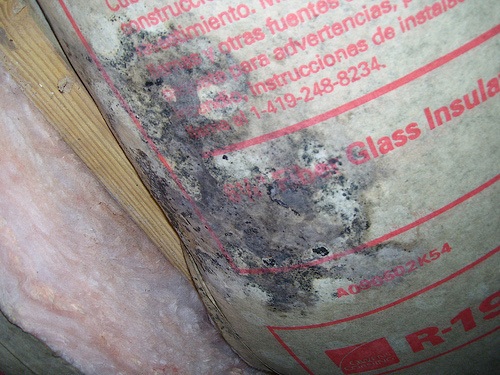
Of all the environmental conditions, moisture poses the biggest threat to structural integrity and durability, accounting for up 89% of damage in building envelopes.
Conditions For Mold Growth
Mold spores are always in the air and require three conditions to proliferate:
- Food
- Liquid water
- Oxygen/Temperature
Spray foam is the only answer to stop these conditions.
Please contact us for a free consultation.
